Last updated: October 2026
In brief: Temporary household staff rates in London in 2026 usually sit between £20 and £60 an hour, depending on the role. As a rough guide, expect to pay £230 to £350 a day for a temporary nanny, £25 to £30 an hour for a housekeeper, £250 to £500 a day for a butler and £250 to £800 or more a day for a private chef. Agency fees, travel and overtime come on top, and everyone you take on must be paid at least the National Living Wage of £12.71 an hour.
Maybe your housekeeper's off to Portugal for three weeks just as twelve guests are due on Friday. Or perhaps you've opened up the country house for the summer and realised nobody's booked a chef. (It happens more often than you'd think.)
Whatever's brought you here, the first question is usually the same: what's this going to cost?
The good news is you don't need to ring round six agencies to find out. We've gathered typical temporary household staff rates for 2026, role by role, from roles advertised on MyStaffHQ, partner agency data and published London agency rates, so you can set a sensible budget before you pick up the phone.
Temporary household staff rates at a glance
Short on time? Here's the quick version. Every figure is gross pay to the worker, before any agency fees.
• Temporary nanny* – £20 to £25 an hour; £230 to £350 a day (10 hour day)
• Temporary housekeeper* – £25 to £30 an hour (up to £35 in central London); £200 to £280 a day
• Temporary butler* – £25 to £35 an hour; £250 to £500 a day
• Temporary private chef* – £30 to £60 an hour; £250 to £800+ a day
• Relief house manager* – £30 to £40 an hour; £250 to £325 a day (estate managers up to £375)
• Temporary chauffeur (driving your car) – £35 to £45 an hour; around £450 a day
*Our figures are drawn from a pool of over 1,800 household roles advertised on MyStaffHQ, and partner data.
Rates outside London are similar or a little lower, while specialist skills push them up. The sections below explain what sits behind each number, if you'd like the detail.
What affects the rate you'll pay
Two people doing the same job can quote surprisingly different rates, and it usually comes down to a handful of things.
Experience is the big one. Someone who has worked in large, formal UHNW households will cost more than someone newer to private service, but in our experience they're usually worth every penny. After that, look closely at the hours. Many temporary roles quote a day rate for a 10 or 12 hour day, and since a "day" isn't always the same length, it's worth checking before you shake on it.
Live-in cover often works out cheaper per hour, though you'll need a spare room and a well-stocked fridge. Timing matters too. Need someone tomorrow, in August? Expect to pay for the privilege, because summer and the run-up to Christmas are peak season for temporary bookings.
Then there's location. Prime central London pays the most, and Indeed's salary data shows just how wide the gap can be: the average permanent housekeeper in Kensington and Chelsea earns around £20 an hour, against about £14.57 across London as a whole.
Temporary nanny rates
Temporary nannies cover everything from a single evening out to a whole summer away, so it's no surprise that rates vary quite a bit. Most in London charge around £20 an hour, rising to £25 or more for special requirements such as twins, a newborn or a fortnight's travel with the family.
At the very top of the market, nannies trained at specialist colleges can command £230 to £350 or more gross for a 10 hour day. Roles advertised on MyStaffHQ back this up: UK temporary nanny roles are typically advertised at £20 to £25 an hour, and a recent London role offered £300 a day. Outside London, hourly rates are much the same, at around £21 to £25.
Newborn and overnight cover is priced differently. Based on our partner agency data, a maternity nurse typically costs £300 to £400 for a 24 hour booking, or £25 to £35 an hour for shorter bookings. A maternity nanny usually costs £250 to £325 for 12 hours, and a night nanny £180 to £230 for a 10 hour night.
If you're booking for more than a few days, it's worth interviewing properly, and our nanny interview tips show what a good candidate will be ready to talk about.

Temporary housekeeper rates
Temporary housekeepers are among the most booked roles of all, usually to cover a permanent housekeeper's holiday or to get a second home guest-ready before the family arrives. Temporary housekeeper roles advertised on MyStaffHQ typically pay £22 to £25 an hour, while experienced housekeepers in central London can command £30 to £35.
Book through an established London agency and you'll usually pay £25 to £30 an hour, or £200 to £280 a day. Specialist work, such as caring for antiques or silver, can push that to £28 to £35, and a head housekeeper running a larger household typically earns £35 to £50 an hour, or £280 to £400 a day.
Combined roles, such as a cook housekeeper, usually pay £23 to £29 an hour, though the best can earn more. A temporary cook housekeeper in Knightsbridge, for instance, can command £30 to £35 an hour.
Whichever route you take, our guide on how to hire a housekeeper covers what to look for.

Temporary butler rates
Few things say "we've thought of everything" quite like a butler at the door. Temporary butlers are usually booked for events, visiting guests or a principal's stay at a particular property, and their rates reflect that range.
Junior butlers start at around £150 a day, while experienced butlers usually accept £250 to £500. In practice, the middle of that range is the norm: a summer of temporary butler work across homes in Surrey and London typically pays around £300 a day. And after a big event, a tip is common and always appreciated.
Shorter event shifts tend to be paid by the hour instead, usually £25 to £35 for wedding service or night cover in a formal London household.
Head butlers command more, typically £30 to £40 an hour or £275 to £350 a day. Peak dates, such as Christmas Eve, can also double the bill: one booking advertised on MyStaffHQ paid £600 for the day, which was a £300 base rate at double time.

Temporary private chef rates
Private chef rates have the widest spread of any role here, and that's because the job itself varies so much. Family suppers on a Tuesday are a world away from a twelve-course dinner for guests, and the price reflects it.
For temporary family chef cover in London, typical rates run from £250 to £800 or more a day. A temporary household chef in Surrey, for example, can expect around £300 to £350. Self-employed chefs often charge by the hour instead, usually £30 to £60, and for events and dinner parties, day rates of £350 to £1,000 aren't unusual.
Chefs we've spoken to in London charge £300 to £800 a day, depending on their experience and the kind of cooking you need.
One thing that catches people out is that food is almost always charged on top of the chef's rate, so it's worth remembering before the truffles arrive. Our guide on hiring a private chef for your household covers what else to ask before you book.

Relief house manager rates
Relief house manager rates are harder to pin down, as most are agreed quietly and privately. From what we've seen, temporary house managers in prime London areas such as St John's Wood are typically paid £30 to £40 an hour, or £250 to £325 a day, while estate managers can earn up to £375.
That sits comfortably alongside permanent pay for the role, where salaries range from around £40,000 to £150,000 for exceptional candidates. Permanent house and estate manager roles advertised on MyStaffHQ pay £45,000 to £110,000, and across the 14 permanent UK house manager roles with a stated salary, the median is £67,500.
It makes sense when you think about what the job involves. Relief cover usually means someone who can walk in on Monday and be running the house, the staff and the suppliers by lunchtime. Our guide on how to hire a house manager explains what that role should include.

Temporary chauffeur rates
When it comes to drivers, there are two ways to book temporary cover, and they're priced very differently.
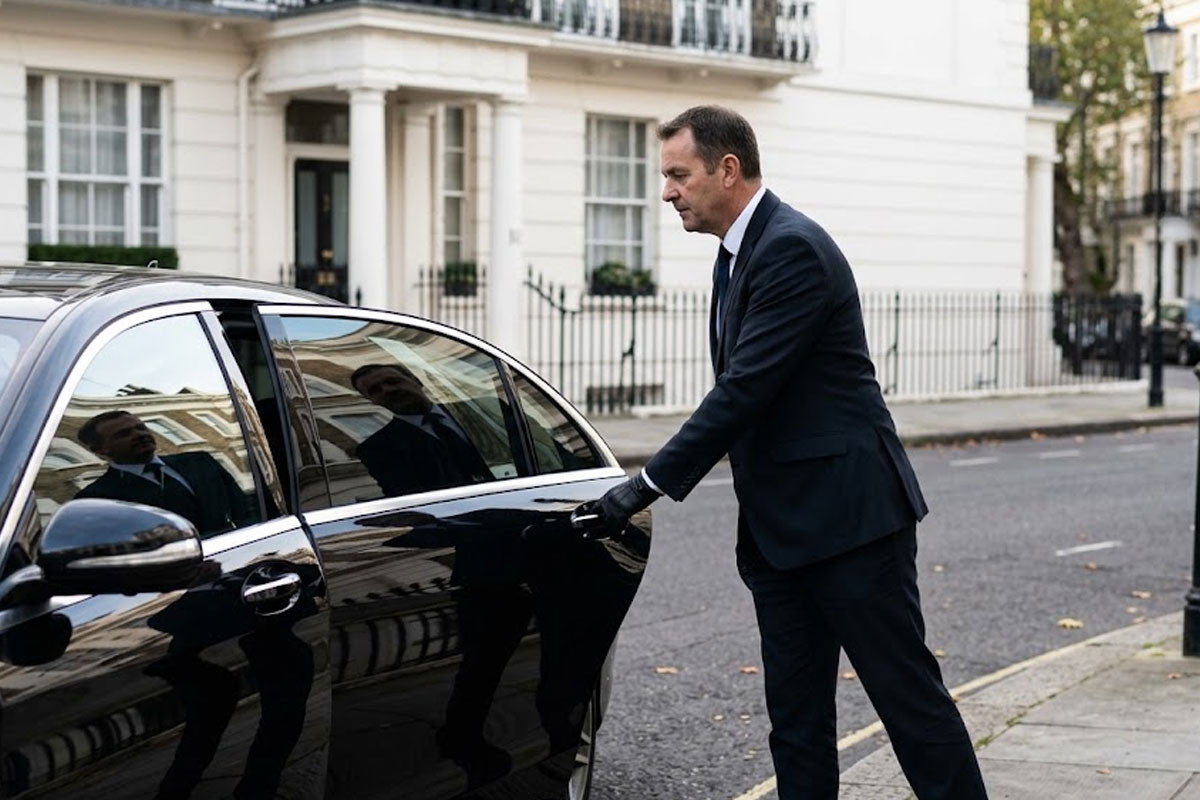
The first is a chauffeur who drives your own car. Experienced household chauffeurs in London charge around £35 to £45 an hour, and day rates of around £450 aren't unusual when they're covering a permanent chauffeur's leave.
The second is a chauffeur company that provides both car and driver. These cost more, which makes sense, as you're paying for the Mercedes as well as the person driving it. One established London firm charges £480 for an eight hour day in a Mercedes E-Class, rising to £720 in a Range Rover.
Agency fees and other costs to budget for
Of course, the rate you pay the worker is only part of the bill, so it helps to know what else to budget for. Most agencies add a daily booking fee on top of the worker's pay, usually somewhere between £25 and £50 a day plus VAT, with lower daily fees for longer bookings. Hourly bookings usually carry a four hour minimum, overtime is agreed after the contracted hours, and travel, weekends and bank holidays can come at a premium.
Whoever you book, there's a legal floor to bear in mind. From April 2026, everyone aged 21 or over must be paid at least £12.71 an hour (GOV.UK), although the voluntary London Living Wage is higher at £14.80 (Living Wage Foundation).
It's also worth checking employment status before anyone starts. Some temporary staff are self-employed, while others are employed by you or by an agency, and that decides who handles tax and what rights they have (GOV.UK).
Then there's privacy. Temporary staff still see the inside of your home and family life, so our guide to NDAs for domestic staff is worth a read. And finally, don't forget the smaller extras like travel home after a late finish, meals, accommodation and overtime. They're small on their own, but they soon add up.
How to find temporary household staff
Knowing the going rate puts you in a much stronger position when you start looking, and it makes those first conversations a lot quicker, too.
On MyStaffHQ, you can post a job and reach experienced private household staff across London and the UK. And if you work in private service yourself and fancy some temporary work, you can browse the latest jobs.
Curious where the market's heading next? Take a look at our piece on household staffing trends for UHNW homes.
Frequently Asked Questions
How much does a temporary nanny cost per day in London?
Most temporary nannies in London charge around £20 to £25 an hour. For a full 10 hour day with a highly trained nanny, expect £230 to £350 or more, plus any agency fee.
How much does a private chef cost per day?
Temporary family chef cover in London usually costs £250 to £800 or more a day. Chefs cooking for events or dinner parties can charge up to £1,000 a day, and food is charged separately.
Do I pay agency fees on top of temporary household staff rates?
Usually, yes. Agencies tend to charge a daily booking fee on top of the worker's pay, often between £25 and £50 a day plus VAT.
Are temporary household staff employed or self-employed?
It depends on the arrangement. Some temporary staff are self-employed, while others are employed by you or by an agency. Their status affects tax and employment rights, so it's worth checking the GOV.UK guidance on employment status before you book.
Do temporary staff have to be paid the minimum wage?
Anyone classed as a worker or employee aged 21 or over must be paid at least the National Living Wage, which is £12.71 an hour from April 2026. In practice, temporary household staff in London are paid well above that.
When are temporary household staff hardest to find?
Summer and the weeks before Christmas are the busiest times, as families travel, host and give permanent staff time off. If you know you'll need cover, book as early as you can.